Table of Content
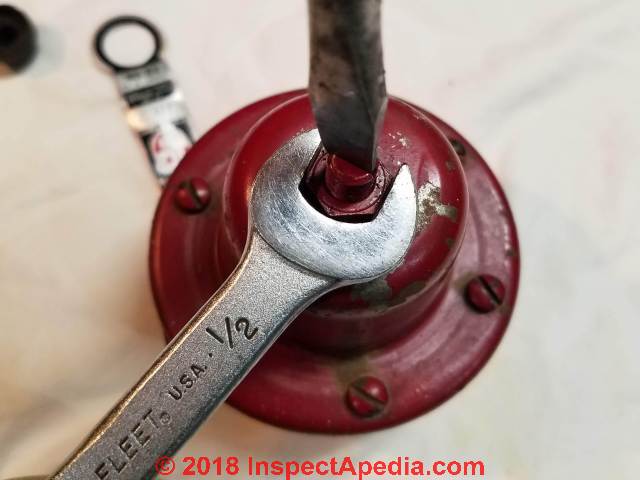
Turn the nut counterclockwise to increase pressure, or clockwise to decrease pressure. If you find that your problem is due to the age and build-up of dirt and debris, then it is important to have the water pipes professionally cleaned and flushed. This can help remove any build-up and reduce the water pressure to more optimal levels. If annual checks are not done, the regulator can fail to do its job of restricting the psi to your home. This can lead to high pressures of water causing damage to plumbing and joints around your toilet, faucets, and more.
The most appropriate water pressure for a home should be between 45 to 55 psi, as this is what most appliances are designed to function at. Finally, you could consider replacing your shower with one that has a built-in flow restrictor. Showers with flow restrictors are designed to reduce the maximum flow rate of water, which can save you money on your water bills and help conserve natural resources. Generally speaking, yes, high water pressure for showering is considered good for many reasons.
Check For Water Pump Failure
In essence, the regulator or pressure-reducing valve is responsible for normalizing the pressure as the water reaches your home. If you need to make a few more adjustments, turn the tap off and use your wrench to tighten or loosen the adjusting bolt again. Setting your water pressure too high can lead to leaking pipes and even explosions. Be sure your water pressure stays within the optimal psi to avoid any damages to your home. Having the right water pressure in your home is important for the proper functioning of your plumbing system and appliances. Regularly checking your water pressure is just one of the many preventive measures you can implement to ensure the longevity of your plumbing system.
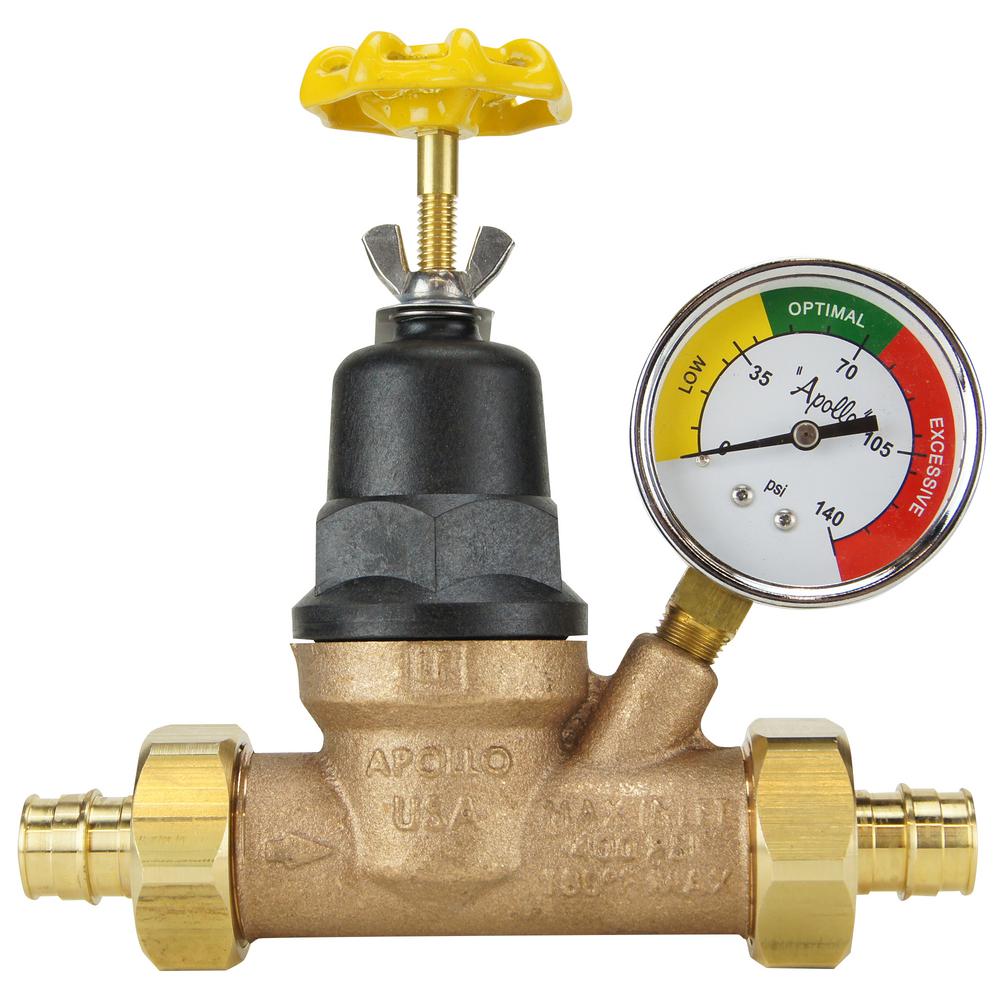
The pressure on a shower valve is typically adjustable, allowing you to increase or decrease the flow of water from the faucet. You will typically find a knob or lever on the side of the shower valve that controls the water flow. In some cases, the pressure regulator may be installed on the branch lines to the main water heater or a dedicated hot water heater. It can also be located inside the house, usually in the basement or under the sink where the water supply line enters the home. Water pressure regulators or water reducing valves help to regulate pressure that enters your home.
Step 2: Loosen the Lock Nut
After you find the water pressure regulator, take a moment to read the label on the side or the back. Write down the optimal psi, which is usually between 40 and 60. This will give you a guideline for how low or high you want to adjust your own water pressure. The acceptable water pressure range for a house is between 40 and 80 psi .
Most of the internal workings of the regulator are sturdy and will last a long time, but the rubber gaskets can fail much sooner than the rest of the internal components. To remove these mineral deposits, you’ll need to remove the water regulator and place it into a bath that can remove them. Most of the minerals are calcium lime, so something that can remove calcium is most effective.
What should the shower curtain match?
A quick and easy way to increase water pressure is to check the water meter, which can be found on the meter box—look for a round enclosure with a single pipe sticking out of it. Reach into the opening and find a bolt protruding from the flower petal-shaped like a cone. The pressure can be adjusted by releasing excess pressure, then opening the faucet to verify the flow. Continue to adjust as needed, but make sure you tighten down that lock nut once everything has been set properly. If you just moved into a new home and aren’t sure how to check your existing regulator or if your water heater is malfunctioning, contacting a plumber should be your first step. It’s a very simple inspection that can save you hundreds of dollars in repairs later.

However, any pressure between 40 to 80 psi is generally acceptable, but anything above 80 psi can cause damage to fixtures and appliances, as well as pipes over time. If you have a traditional shower that uses a mixer tap to blend hot and cold water supplies, you can reduce the flow of water at the source. Lower the temperature settings on the hot and cold water supplies separately, as this reduces the pressure needed to blend the two temperatures together.
Over time, these minerals find nooks and crannies in which to build up, including a regulator’s internal parts. You’re also cutting down on expenses because less water is going to waste. With no fixtures or pipes leaking, you won’t be paying for water that you’re not using.
Thanks to all authors for creating a page that has been read 9,625 times.
When the water enters the regulator at high pressure, the inner mechanism constricts the diaphragm to narrow the flow of water. This can reduce the pressure into a range of 50 to 80 psi, greatly reducing the stress on pipes and fixtures installed past the valve. Conversely, when the incoming water pressure drops, the diagram opens wider to allow more water to flow through the valve. An adjustment screw on the top of the regulator can be tightened to increase the tension on the inner spring , or loosened to allow water to flow more freely through the valve .
Your home’s water pressure is not something you typically notice until it’s off. It’s only when you get into the shower and see that you’re barely getting water that you realize there’s a problem. In some cases, the issue may also be excessively high water pressure.
Depending on what you need, you may have to reduce orincrease the water pressurein your home. While this may seem like a complicated task, it’s one you can handle pretty easily on your own. On some days, the pressure level may rise excessively or you may need to increase thelow pressurefor cleaning.

Like all plumbing fixtures and valves, water pressure regulators eventually grow old and fail. Testing the water pressure at least once a year is always a good idea, or whenever you have questions about the regulator's effectiveness. If the regulator's adjustment screw no longer has any effect on changing the water pressure, the valve is due for replacement. After installation, test the water pressure, and adjust the regulator, if necessary.
Most of the water that runs through your pipes has minerals in it. These minerals can find places where the water doesn’t flow well and deposit there. Over time, the mineral deposits grow and can block the flow of water moving through the regulator. More often than not, a plumbing issue comes down to a seal being broken or worn out.
Cities require high water pressure for fire hydrants and for water to work against gravity and reach the top levels in multi-story buildings. There is a brass enclosure that sits above the regulator, with a long screw that runs through the middle and ends in a hollow tube. The lock nut next to the long screw secures it in place, which is why it is so long. Repairing a water regulator can be a difficult task, so it’s best to ask a few basic questions before diagnosing the cause of your problem. Once you’ve tried all the other options listed above, it’s safe to say the water regulator is the problem. However, that doesn’t mean that the water regulator itself is the source of trouble.


No comments:
Post a Comment